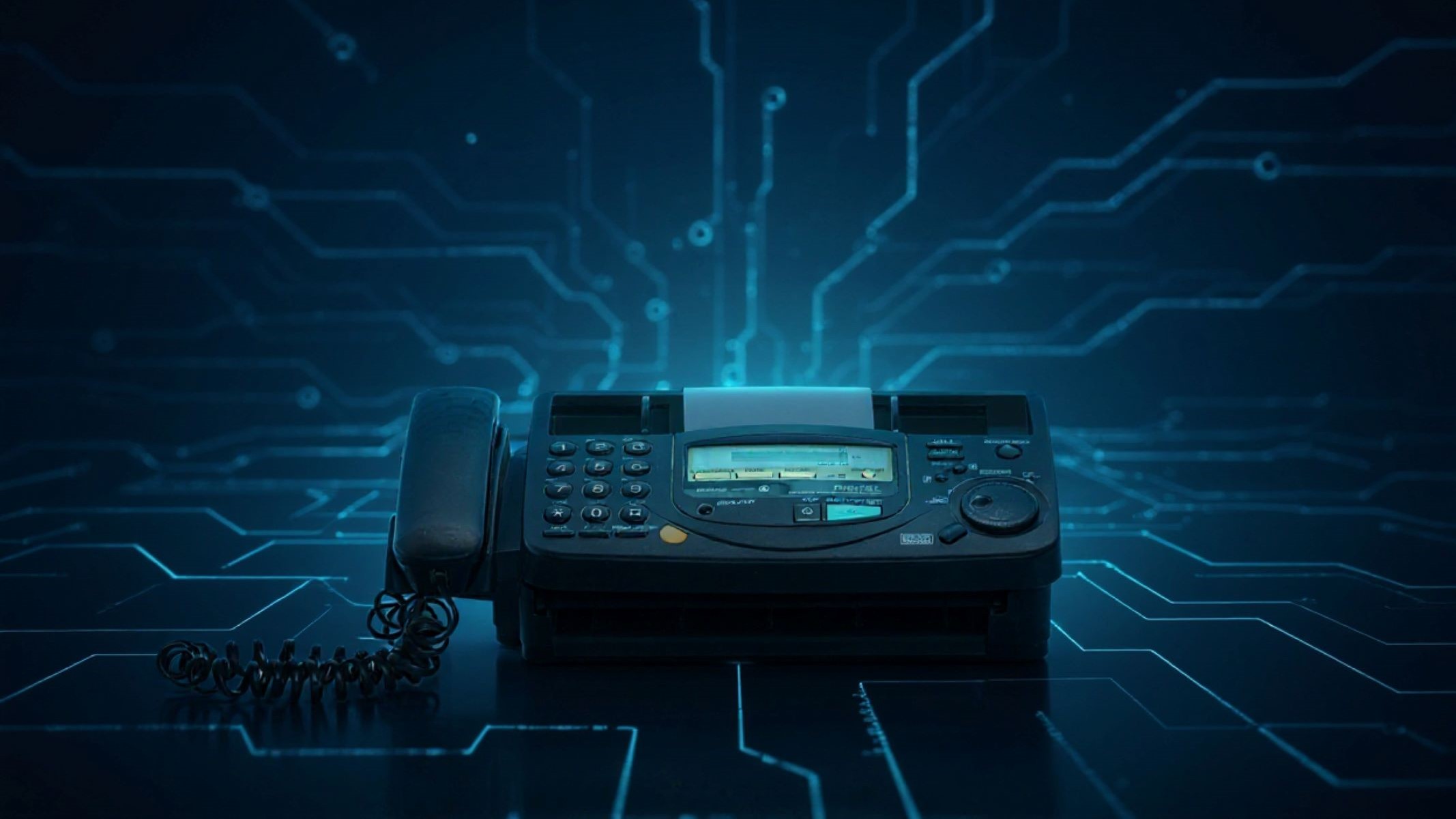
Ever wondered if faxing could be modernized without losing its reliability? That’s where Fax Over IP, or FoIP, steps in. It’s like giving the classic fax machine a sleek digital makeover, using the internet instead of old phone lines. But what exactly is Fax Over IP, and how does it work? Let’s unpack this together.
What Is Fax Over IP (FoIP)?
Fax Over IP, commonly abbreviated as FoIP, is a modern technology that revolutionizes the way we send and receive faxes by using internet connections instead of traditional telephone lines. Unlike classic faxing, which depends on the Public Switched Telephone Network (PSTN), FoIP leverages the flexibility and speed of internet protocols to transmit fax data. This shift means that the same fax messages you once sent through a dedicated phone line can now travel digitally across networks, making faxing more accessible and efficient.
At its core, FoIP works by converting the analog fax signals generated by your fax machine or software into digital packets. These packets are then sent over an IP network, such as your broadband internet connection. On the receiving end, these digital packets are reassembled and either delivered as a digital document or converted back to an analog signal if the recipient still uses a traditional fax machine. This entire process relies heavily on communication protocols designed to maintain the integrity and accuracy of fax transmissions over the internet, ensuring that even though the medium has changed, the quality and reliability of the fax remain intact.
The major appeal of FoIP is its ability to integrate faxing seamlessly into modern digital workflows. Businesses no longer need to maintain separate telephone lines for faxing; instead, they can incorporate fax services into their existing IT infrastructure. This integration often comes with additional benefits like automated document routing, electronic storage of faxed documents, and enhanced accessibility since users can send or receive faxes from anywhere with an internet connection. The transition to FoIP thus not only modernizes an old communication method but also significantly improves operational efficiency.
However, FoIP also requires a stable and sufficiently fast internet connection to function smoothly. Unlike traditional faxing, which operates over relatively stable phone lines, transmitting fax over IP networks can sometimes face challenges like packet loss or latency, which may affect transmission quality. To address these issues, specialized protocols such as T.38 were developed to optimize fax data transmission over IP, offering error correction and improved reliability. In summary, Fax Over IP blends the reliability of fax communication with the speed and convenience of the internet, making it a powerful tool in today’s digital communication landscape.
Why FoIP Matters in Today’s Digital World
| Aspect | Traditional Faxing | Fax Over IP (FoIP) | Benefit | Impact on Business |
| Cost | Requires dedicated phone lines, which are costly to install and maintain. | Uses existing internet connections, eliminating the need for separate phone lines. | Significant reduction in operational expenses. | Frees up budget for other technology investments. |
| Flexibility | Fax machines tied to physical locations; users must be near the device to send or receive faxes. | Fax can be sent or received from any device connected to the internet, anywhere in the world. | Increased mobility and convenience for users. | Enables remote work and supports mobile employees. |
| Integration | Operates as a standalone system, often disconnected from digital workflows. | Seamlessly integrates with email systems, cloud storage, and document management software. | Streamlines workflows and reduces manual handling. | Enhances productivity and document accessibility. |
| Scalability | Expanding fax capacity means adding more phone lines and hardware, which can be expensive and cumbersome. | Easily scales with business needs using virtual fax servers and cloud services. | Quick and cost-effective scaling options. | Supports business growth without infrastructure headaches. |
| Speed & Reliability | Transmission depends on phone line quality; slower and prone to failures or noise interference. | Uses advanced protocols like T.38 to optimize transmission over IP networks, improving reliability. | Faster, more reliable fax transmissions. | Reduces errors and delays in critical communications. |
How Does Fax Over IP Actually Work?
- Fax Over IP starts by capturing the traditional analog fax signal generated by a fax machine or fax software. Instead of sending this signal over a telephone line, FoIP converts it into digital data.
- This analog-to-digital conversion allows the fax content—such as text and images—to be transformed into a format suitable for transmission over an IP (Internet Protocol) network.
- Once digitized, the fax data is broken down into small packets. These packets are designed to travel efficiently over the internet, taking different routes if necessary, to reach their destination.
- The packets are transmitted through the internet or private IP networks using protocols designed to maintain data integrity and order, ensuring the fax arrives intact and correctly sequenced.
- Special communication protocols, like T.38, help manage real-time fax data transmission by providing error correction and retransmission capabilities, reducing the chance of data loss or corruption.
- At the receiving end, these data packets are reassembled in the proper order to reconstruct the original fax message.
- If the recipient uses a traditional fax machine, the digital data is converted back into an analog fax signal compatible with phone line-based fax machines.
- If the recipient uses a digital fax system or fax server, the data can be stored electronically as a digital document, such as a PDF or TIFF file.
- Throughout this process, FoIP systems monitor transmission quality and manage network issues like latency or packet loss to ensure reliable fax delivery.
- By using IP networks, FoIP allows for integration with email systems, cloud storage, and other digital platforms, streamlining fax workflows and improving accessibility.
- FoIP can operate through hardware gateways that connect traditional fax machines to IP networks or via entirely software-based solutions that run on computers or mobile devices.
- The use of broadband internet means that FoIP can transmit faxes faster than conventional phone lines, while also reducing costs associated with maintaining separate fax infrastructure.
- Overall, FoIP combines the reliability of fax communication with the speed and flexibility of internet technology, enabling businesses and individuals to continue using fax efficiently in the digital age.
Step-by-Step Process of FoIP
The process of Fax Over IP begins with the conversion of the traditional analog fax signal into digital data. When you send a fax, the fax machine or fax software captures the original document as an analog signal, which must be transformed into a digital format compatible with internet transmission. This conversion is essential because the internet works with digital data, not analog signals like traditional phone lines. The technology involved ensures that the original content—whether text or images—is accurately digitized, preserving the quality of the fax.
Once the fax content is converted into digital form, the data is divided into smaller units called packets. This packetization is necessary because the internet transmits information in chunks rather than a continuous stream. Each packet contains a portion of the fax data along with information that helps route it to the correct destination. By breaking the data into manageable pieces, the system can efficiently handle transmission, even if the packets take different routes across the network. This method also allows for error detection and correction to ensure the fax arrives complete.
Next, these packets are sent over the IP network—usually the internet—traveling from the sender to the receiver. This transmission phase is where the digital fax data navigates through routers and servers, sometimes encountering delays or network issues. Advanced protocols, such as T.38, are often used to maintain the integrity of the fax during this journey. These protocols manage potential problems like packet loss or timing delays by requesting retransmission of missing packets or correcting errors, ensuring the recipient receives a clear and accurate fax.
When the packets reach their destination, the receiving system reassembles them in the correct order to reconstruct the original fax data. If the recipient uses a physical fax machine, this digital information is then converted back into an analog signal so the fax machine can print it as a document. Alternatively, if the recipient uses digital fax software or a fax server, the data may be stored electronically as a digital file, such as a PDF, making it easy to archive or share. This final step completes the FoIP process, seamlessly bridging the gap between traditional fax technology and modern internet communications.
FoIP vs Traditional Fax: What’s the Difference?
| Feature | Traditional Fax | Fax Over IP (FoIP) | Advantages of FoIP | Impact on Users & Businesses |
| Transmission Medium | Uses PSTN (Public Switched Telephone Network) — analog phone lines dedicated for fax transmission. | Uses Internet Protocol (IP) networks — digital transmission over broadband or private networks. | Digital transmission enables faster and more versatile communication. | Businesses can reduce dependence on costly phone lines and modernize communications. |
| Cost | High costs due to installation, maintenance, and rental of phone lines and dedicated fax hardware. | Lower overall cost as it uses existing internet infrastructure, reducing phone line expenses and hardware needs. | Significant savings on infrastructure and operational costs. | Small and large businesses alike can save money while scaling fax operations easily. |
| Speed | Transmission speed depends heavily on phone line quality and can be slowed by line noise or interference. | Generally faster because digital packets can be transmitted quickly, depending on internet bandwidth. | Faster fax delivery with fewer transmission errors. | Speeds up document exchange, improving workflow efficiency. |
| Flexibility | Limited to physical fax machines located in fixed places; users must be near the device to send or receive faxes. | High flexibility allowing faxing from virtually anywhere with internet access, via software or apps. | Enables remote work and mobile faxing capabilities. | Empowers employees and teams to fax on-the-go, boosting productivity. |
| Integration | Typically a standalone system with limited ability to connect with other digital tools. | Easily integrates with email, cloud storage, document management, and unified communication systems. | Seamless workflow automation and document management. | Enhances business processes by connecting faxing to other digital platforms and reducing manual steps. |
The Technology Behind FoIP
- FoIP relies heavily on communication protocols specifically designed to send fax data over internet networks while maintaining the accuracy and clarity of the transmission.
- The 38 protocol is the most important technology for FoIP. It converts fax signals into data packets optimized for IP transmission and includes real-time error detection and correction to prevent fax failures caused by packet loss or delays.
- 38 enables retransmission of lost or corrupted data packets during the fax session, ensuring that the received fax matches the original without distortion.
- This protocol was developed because standard internet networks are prone to issues like jitter, latency, and packet loss that can severely affect fax quality if uncorrected.
- Another key protocol is 711, which treats fax transmissions as audio calls by encoding the fax tones into digital audio streams sent over IP networks.
- 711 is simpler and widely supported because it mimics traditional voice communication, but it lacks specialized error correction for fax data.
- Fax sent via G.711 is vulnerable to network instability, making transmissions susceptible to distortion, dropped pages, or failed faxes.
- FoIP uses gateways or adapters that bridge traditional fax machines (which produce analog signals) and IP networks, converting between analog fax signals and digital IP packets.
- These gateways handle protocol negotiation, signal conversion, and transmission control to ensure smooth communication between legacy fax devices and IP-based fax systems.
- Fax servers and software clients allow users to send and receive faxes digitally without physical fax machines, storing documents as digital files like PDFs or TIFFs.
- FoIP systems often employ compression algorithms to reduce the bandwidth needed for transmitting fax data, improving efficiency and speed.
- To secure sensitive fax content, FoIP solutions incorporate encryption technologies such as TLS (Transport Layer Security) or VPN tunnels, protecting data from interception during transmission.
- Integration features allow FoIP to work seamlessly with email systems, cloud storage, and document management platforms, enabling automated fax workflows and easy archiving.
- Overall, the technology behind FoIP combines specialized protocols, hardware gateways, digital fax servers, compression, encryption, and integration to modernize fax communication for today’s internet-based world.